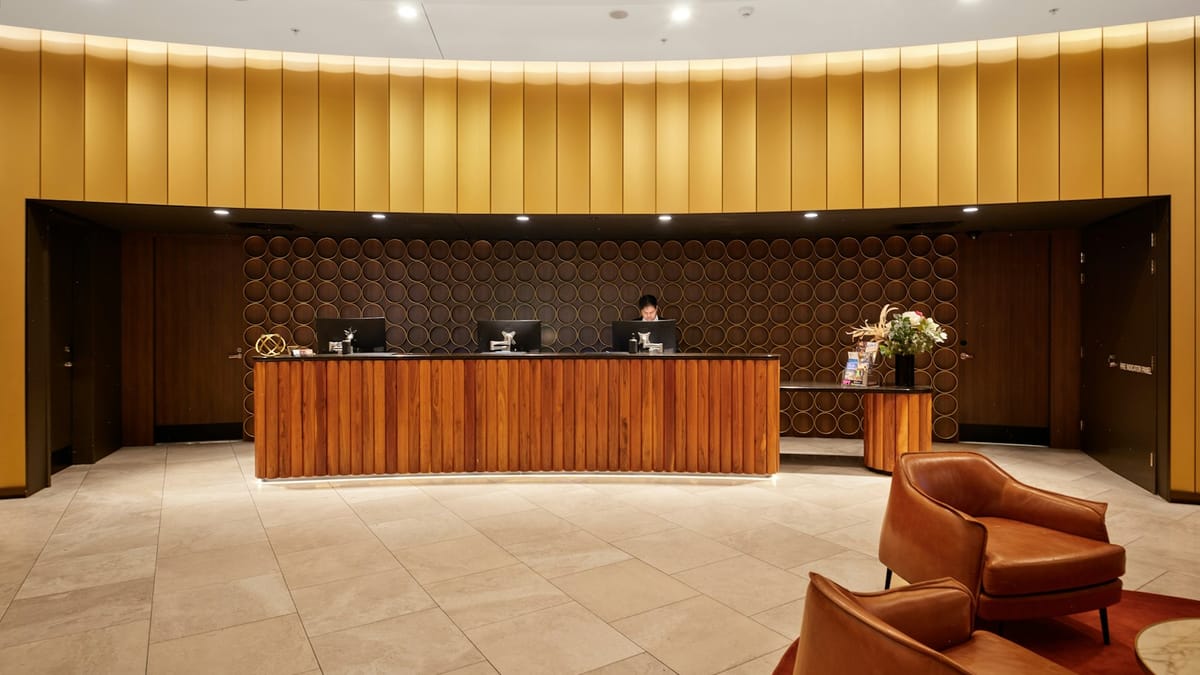

Imagine a small hotel near Kraków’s main railway station. A guest with an early meeting asks whether breakfast will be available before they leave. A couple on a weekend break wants to know how quiet the room will be. A family wants to know if there’s space for a cot and luggage. All three might give the hotel four stars for different reasons.
The Jobs to Be Done approach starts with a question: what did guests need to do on this trip, and what helped or got in the way? That gives you a better basis for deciding what to improve and which guests will value it.
Read hotel reviews in the context of the trip
Choose a recent period when the hotel was operating under broadly similar conditions. Record the source and date of each review. Assign a trip type when guests state it or describe it clearly. Leave the field blank when you can’t tell. Those comments can still inform your overall review of the hotel.
Here are three fictional examples from the same property.
| Trip context | What the guest says | What to check |
|---|---|---|
| Business trip | “I had to leave at seven, before breakfast opened.” | When guests leave and how many ask about an earlier meal. |
| Weekend as a couple | “Great location, but we could hear the street at night.” | Whether comments refer to street-facing rooms and how clearly room options are described. |
| Family stay | “The cot was ready, but once it was set up it was hard to get past with our suitcases.” | Which rooms lose usable space when a cot is added, and how to explain their layout before booking. |
Compare the same topics across groups, such as breakfast, noise and room layout. Record how many reviews you read for each group. Three breakfast complaints across 12 business-trip reviews and three across 70 family reviews tell you different things about the comments you read. Check the day of the week, room category and season before making a decision. Any of these may explain the difference.
Test one improvement and calculate the break-even point
Suppose the front desk confirms that guests often ask about breakfast before seven. The hotel could test a takeaway breakfast guests can order in advance and mention it during booking. The weekly cost of organizing the test is PLN 300. In this example, an extra paid room night brings in PLN 320 and costs PLN 120 in variable costs, including the meal. That leaves PLN 200 per extra night to cover the weekly test cost.
| Extra paid room nights per week | Extra revenue | Amount left after variable costs and the test |
|---|---|---|
| 1 | PLN 320 | −PLN 100 |
| 2 | PLN 640 | PLN 100 |
| 3 | PLN 960 | PLN 300 |
Two extra room nights per week cover the cost in this example. That’s a target to test. If most takeaway breakfasts go to guests who were already booked, account separately for serving those meals. The test may improve their stay, and you can decide whether that improvement justifies its cost.
Compare similar weeks and record room availability, rates and local events. Track early-breakfast enquiries, meals ordered and paid room nights. Note any guests who say the breakfast option helped them choose the hotel. If the hotel sells more room nights during a major trade fair, account for that before attributing the increase to breakfast.
How HH Echo helps compare hotel guest expectations
Use Business Profile to see which aspects of the stay guests praise and where the same concerns come up repeatedly. Then return to the original reviews and label trip types where the evidence is clear. Using the same topics across groups helps you choose one idea to test against front-desk and booking records. HH Echo
Start with one group, one guest need and one result to check each week. That gives you a basis for deciding whether to clarify the offer, change the service or collect more evidence before spending.